


Housing Programs

Housing is just the beginning.

Often the introduction to Our House, and our longest-running program, our Housing programs include an 80-bed dormitory known as the Shelter, and transitional residences, known as Family Housing. Through employment, case management, life skills coaching, and connections to additional Our House programs, residents work toward finding long-term stability and independence.

Safe housing lays the foundation for new beginnings.
What We Offer

Our Housing Programs are designed to help residents move from homelessness toward lasting stability. Residents are expected to work toward employment, participate in case management and program services, contribute to their community through daily responsibilities, and save a portion of their income.

SAFE, SUPPORTIVE HOUSING

The Shelter is a dormitory-style home for 80 men, women and children. We have a dorm for men and a dorm for women and children. Single fathers may stay with their children in Family Housing.

MEALS & NECESSITIES

The Shelter provides basic needs for all residents including three meals a day, clothing, and hygiene items.

EMPLOYMENT SUPPORT

Employment is the foundation of our program. Our Career Center helps residents find work, build job skills, and take steps toward financial stability.

CASE MANAGEMENT

One-on-one support, plus on-site therapy services, helps residents set goals, navigate challenges, and build a plan for the future.
The Details

New residents have 30 days to find full-time employment and may stay for up to two years, provided they continue working, saving a portion of their income, participating in program services, and are following program guidelines. The question we ask at intake is simple: Are you willing and able to work a full-time job?

Beds are available on a first-come, first-served basis and bed openings are never held.  Beds can be claimed only by arriving on our campus. To inquire about availability, please call the Intake Desk at 501-374-7383 ext. 221. Residents must present a photo ID to check in and may not be listed on a sex offender registry.

For more information about entering the Housing program, please call the Intake Specialist  at 501-374-7383 ext. 186.

To be eligible for entry into the Shelter, a client must:  

  • Be homeless.
  • Be willing and able to work 32 hours a week.
  • Be able to provide a valid photo I.D. upon entry.

Single fathers will automatically be admitted to the Family House. Shelter residents can apply to move into the Family House and their acceptance is contingent on need, performance, and commitment to the program.

All residents in our Housing programs are required to work 32 hours a week. You will have 21 days to find a job after you check into our Shelter. An abundance of assistance is available in our Career Center to help our residents find employment.

We have separate dormitories for men and women. Children (including boys under the age of 18) are allowed to stay in our women’s dormitory with their mother. Children are not allowed in our men’s dormitory; therefore, single fathers will be automatically admitted to the Family House.

Once a bed is claimed, it is yours for two years pending compliance with all rules and work requirements.

There are many ways to help out our residents:

  • Designate your online donation to Housing.
  • Provide a meal for our Shelter residents.
  • Volunteer on campus helping us sort donations, clean, work in the garden, and more!
  • Donate items from our Amazon Wish List to support the needs of residents.

To volunteer, please contact the Volunteer Manager at 501-374-7383 ext. 184.

Family Housing

Family Housing offers current residents a stepping stone toward independent living. In this on-campus, apartment-style setting, residents gain increased privacy and responsibility while paying a small monthly rent to build a rental history. Family Housing availability is based on space and residents’ commitment to the program. 

Our campus houses 38 units (for families, married couples, or adult roommates). Family House residents share a kitchen and living spaces that encourage community. The program provides a gradual transition to permanent housing while helping residents build confidence and independence.

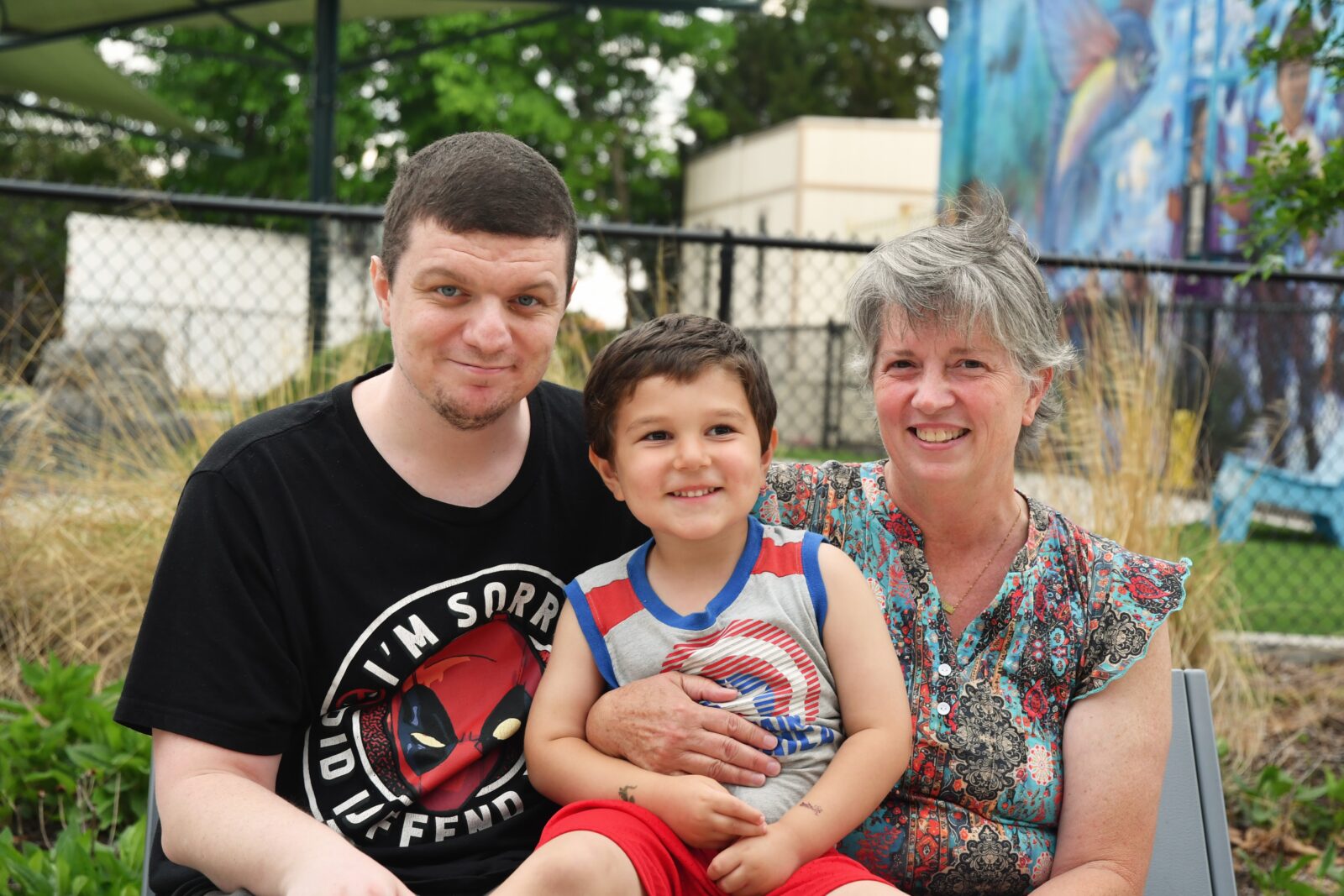
The Jackett Family

FAMILY HOUSE RESIDENTS

“I was assuming it was a normal homeless shelter and at first I just didn’t want to do it,” Tammie recalled. “But when we got here I thought, this is not what I pictured. It’s better than some houses we’ve lived in. The rooms are very clean, and they’re expected to stay clean. There’s accountability."

The Housing program recognizes and can accommodate residents with special needs such as disabilities, a criminal background, and those fleeing domestic violence or recovering from substance abuse.